
The journey of casinos tracing the historical evolution from ancient games to modern entertainment
The Origins of Gambling in Ancient Civilizations
The history of casinos begins with ancient civilizations, where games of chance were played as a form of entertainment and social interaction. Archaeological evidence suggests that as early as 3000 BC, the Chinese engaged in gambling activities using rudimentary games, possibly involving dice made from bones. Similarly, ancient Egyptians participated in games that resembled modern gambling, often involving betting on outcomes, including visits to best uk betting sites that showcased their growing interest in such pastimes.
These early forms of gambling were not merely about chance; they also held cultural significance. In many societies, games were linked to rituals and were considered an integral part of community gatherings. The introduction of gaming houses and organized betting laid the groundwork for what would eventually evolve into modern casinos.
The Development of Gaming Houses in the Middle Ages
As societies progressed into the Middle Ages, gaming houses became more structured. In Europe, establishments known as gambling houses began to emerge, particularly in Italy and France. These venues offered a variety of games, such as card games and dice, and attracted members of the aristocracy. This period saw the introduction of games like baccarat and chemin de fer, which would later influence casino games around the world.
The rise of these establishments was often met with opposition from religious and political leaders, who viewed gambling as morally questionable. Nevertheless, the allure of games of chance continued to grow, setting the stage for the eventual legalization and formalization of gambling in various regions.
The Birth of the Modern Casino in the 18th Century
The 18th century marked a significant turning point in the evolution of casinos, particularly with the opening of the first official casino in Venice in 1638. This establishment offered a range of games and became a popular destination for tourists and locals alike. As gambling gained acceptance, casinos spread across Europe, with the iconic Monte Carlo Casino opening its doors in the mid-19th century.
The advent of these modern casinos introduced sophisticated gaming options, refined interiors, and a focus on customer experience. The glamour and allure surrounding these venues transformed gambling into a fashionable pastime, attracting a diverse clientele that included nobility and the rising middle class.
The Global Expansion of Casinos in the 20th Century
The 20th century witnessed a significant expansion of casinos around the globe, driven by advancements in technology and changes in legislation. The establishment of Las Vegas in the United States became synonymous with the modern casino experience, characterized by lavish shows, luxurious accommodations, and a plethora of gaming options. This era also saw the rise of online gambling, revolutionizing how players engage with casino games.
Internationally, places like Macau emerged as major gambling hubs, attracting millions of visitors each year. This global expansion diversified the gaming options available and led to the development of new games tailored to different cultural preferences. The casino industry became a cornerstone of tourism in many regions, contributing to local economies.
Understanding the Contemporary Casino Experience
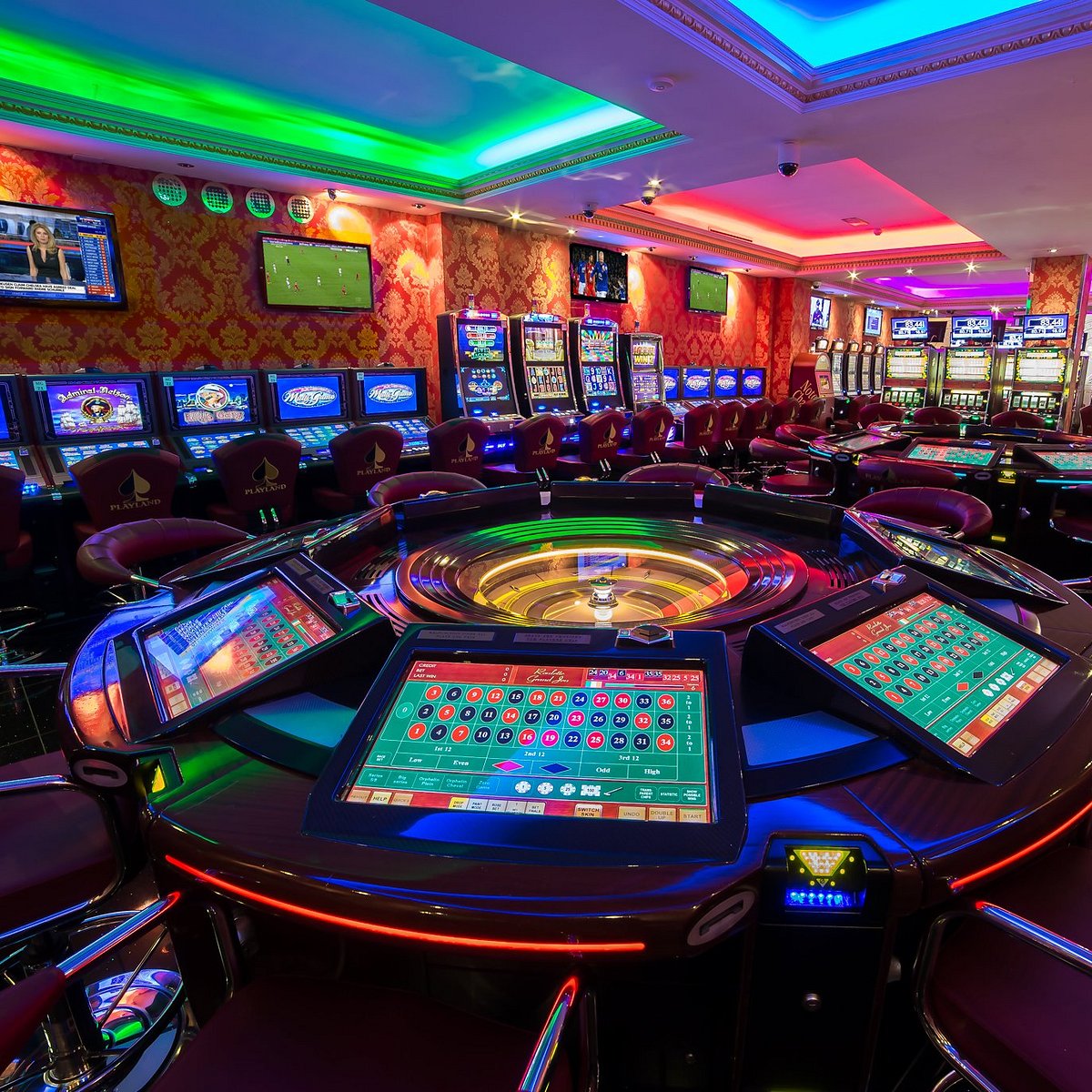
Today, casinos encompass a wide range of entertainment options beyond traditional gaming. They often include restaurants, theaters, and nightclubs, creating a holistic experience for visitors. The integration of technology has also played a critical role in modern casinos, with innovations such as cashless gaming, mobile betting, and virtual reality experiences becoming increasingly prevalent.
As the industry continues to evolve, casinos now focus on responsible gaming practices, ensuring that patrons can enjoy their experiences safely. The blend of history, culture, and modern entertainment makes casinos a fascinating study of societal change and consumer behavior over the centuries.