Activation Plan
Below is an overview of some campus activities:
- The Free Expression and Civil Discourse Initiative advances Aurora University’s commitment to educating for democracy and preparing students for a vibrant, diverse, and contentious society. Guided by an Executive Committee that coordinates efforts across campus and collects relevant data, the initiative operates through specialized working groups focused on fostering a culture of open dialogue and intellectual engagement.
- The Wackerlin Center for Social Justice offers students and employees spaces and experiences that promote belonging, solidarity, and reflection. The center serves as a resource and advocate for advancing diversity, equity, and inclusion—recognizing diversity as a strength of both campus life and democratic society. Through community projects and hands-on learning, it prepares students to be community leaders who stand with the socially vulnerable and work collaboratively to build better solutions. Founded in 2001 and dedicated in 2011, the Wackerlin Center’s unique design and natural setting create a retreat-like space for contemplating issues of faith, responsibility, and leadership. The center also houses Libby’s Place, the on-campus food pantry for students.
- AU Social Impact Trips prepare students to tackle problems bigger than themselves through immersive experiences that foster understanding of pressing social issues while serving alongside community partners. Recent trips have included spring break experiences in Minneapolis–St. Paul, where students gain insight into challenges facing Native Americans in urban settings, including food insecurity, housing and homelessness, health disparities, and cultural revitalization. These experiential learning opportunities develop students as committed citizens ready to collaborate with diverse communities.
- The Cultural Exchange fosters thoughtful engagement across differences through culturally focused discussions open to the entire Aurora University community. These dialogues explore the intersections of shared identities and experiences using the Arch of Dialogue format, which promotes mutual exchange while honoring individual differences. This prepares students to bridge divides and flourish as engaged citizens who confidently exercise their rights and responsibilities in a diverse democracy.
- The Faculty Education Working Group recognizes that the classroom is a core location for developing critical thinking and constructive engagement across differences. This working group offers educational opportunities that enhance pedagogical skills for facilitating productive dialogue, including seminars on academic freedom and free speech, and workshops on civil dialogue featuring role-playing scenarios. The group launched a Belonging BrightSpace “Toolbox” to support inclusive learning environments. Faculty have free access to Belong Cornerstone Webinars for ongoing professional development on inclusive pedagogy, equipping educators with strategies for creating environments where students learn to disagree respectfully and solve complex problems together.
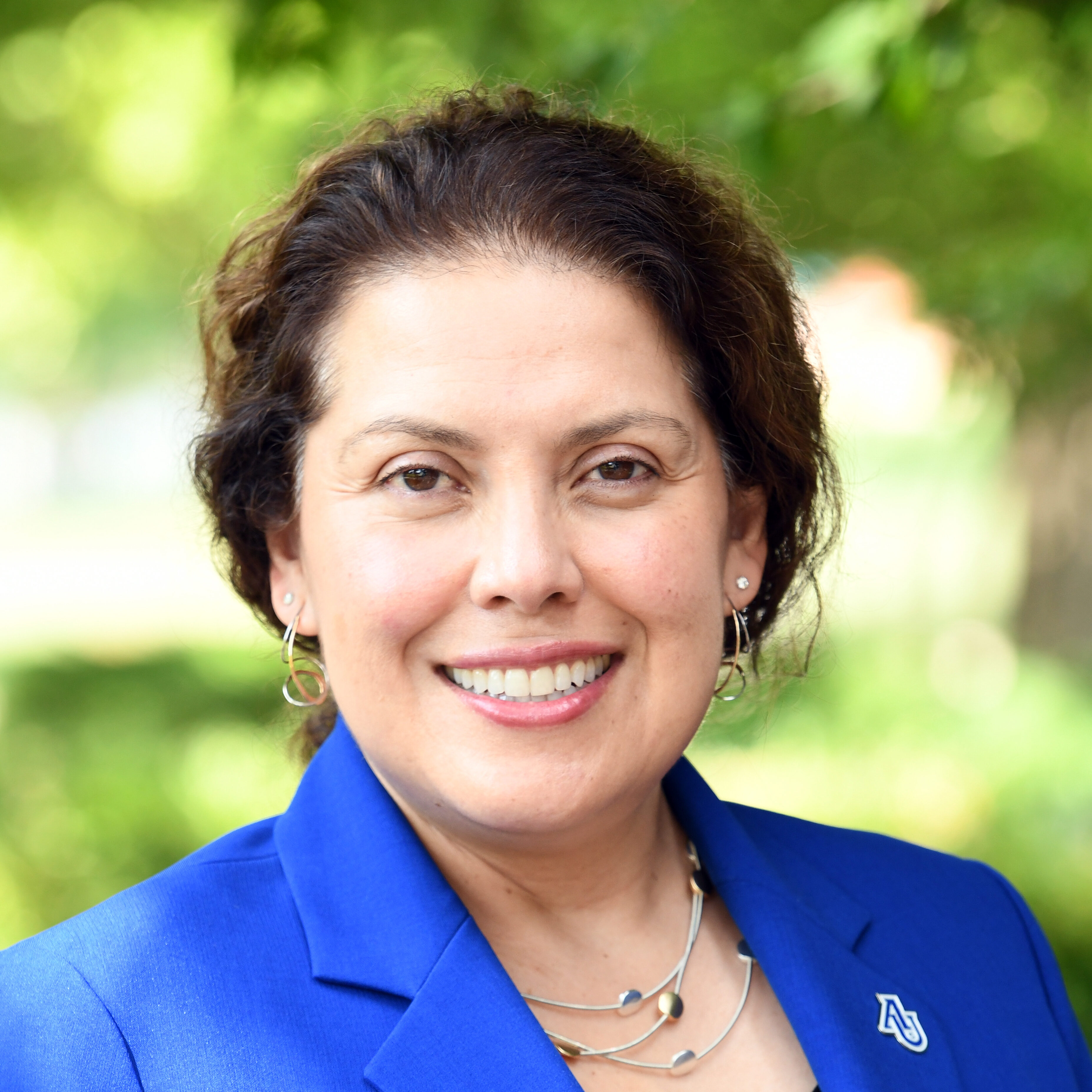
Susana Rivera-Mills
President, Aurora University
Related articles:
Join the growing coalition of campus leaders urgently committed to collectively restoring higher education’s role in democracy.
Susana Rivera-Mills
President, Aurora University
Below is an overview of some campus activities:
- The Free Expression and Civil Discourse Initiative advances Aurora University’s commitment to educating for democracy and preparing students for a vibrant, diverse, and contentious society. Guided by an Executive Committee that coordinates efforts across campus and collects relevant data, the initiative operates through specialized working groups focused on fostering a culture of open dialogue and intellectual engagement.
- The Wackerlin Center for Social Justice offers students and employees spaces and experiences that promote belonging, solidarity, and reflection. The center serves as a resource and advocate for advancing diversity, equity, and inclusion—recognizing diversity as a strength of both campus life and democratic society. Through community projects and hands-on learning, it prepares students to be community leaders who stand with the socially vulnerable and work collaboratively to build better solutions. Founded in 2001 and dedicated in 2011, the Wackerlin Center’s unique design and natural setting create a retreat-like space for contemplating issues of faith, responsibility, and leadership. The center also houses Libby’s Place, the on-campus food pantry for students.
- AU Social Impact Trips prepare students to tackle problems bigger than themselves through immersive experiences that foster understanding of pressing social issues while serving alongside community partners. Recent trips have included spring break experiences in Minneapolis–St. Paul, where students gain insight into challenges facing Native Americans in urban settings, including food insecurity, housing and homelessness, health disparities, and cultural revitalization. These experiential learning opportunities develop students as committed citizens ready to collaborate with diverse communities.
- The Cultural Exchange fosters thoughtful engagement across differences through culturally focused discussions open to the entire Aurora University community. These dialogues explore the intersections of shared identities and experiences using the Arch of Dialogue format, which promotes mutual exchange while honoring individual differences. This prepares students to bridge divides and flourish as engaged citizens who confidently exercise their rights and responsibilities in a diverse democracy.
- The Faculty Education Working Group recognizes that the classroom is a core location for developing critical thinking and constructive engagement across differences. This working group offers educational opportunities that enhance pedagogical skills for facilitating productive dialogue, including seminars on academic freedom and free speech, and workshops on civil dialogue featuring role-playing scenarios. The group launched a Belonging BrightSpace “Toolbox” to support inclusive learning environments. Faculty have free access to Belong Cornerstone Webinars for ongoing professional development on inclusive pedagogy, equipping educators with strategies for creating environments where students learn to disagree respectfully and solve complex problems together.