Activation Plan
Below is an overview of some campus activities:
- Cornell University’s curriculum includes structured opportunities for students to reflect on civic purpose, engage across differences, and connect academic learning with community needs. The “Pathways to Purpose: Civic Leadership in Law, Health, Tech, and Business” course invites students from across disciplines to explore how their academic experiences relate to civic leadership, democratic principles, and collaboration across difference, including practice in communication and dialogue skills.
- For every undergraduate, the “Community at Cornell” program, offered through the Center for Dialogue & Pluralism, provides facilitated small-group sessions that help students develop capacities for curiosity, shared understanding, and constructive communication with peers from diverse backgrounds.
- Across its many colleges and schools, undergraduate, graduate, and professional, Cornell also offers a rich portfolio of community-engaged learning courses, in which students work collaboratively with community partners, locally and globally, to address real problems, integrate reflection into their academic work, and deepen understanding of civic and public responsibilities.
- Each of our new faculty training programs (New Faculty Orientation; New Faculty Teaching Orientation) and our graduate teaching training programs (including our Graduate Teaching Fellow programs) now include specific and substantive attention to dialogue across difference and strategies for fostering and managing the expression of conflicting views in the classroom.
Highlights:
- As an Ivy League, land-grant university, Cornell brings a strong public-purpose orientation to this work, linking dialogue, pluralism, and civic learning to real-world challenges at local, state, national, and global levels. The university’s approach to civic preparedness is characterized by breadth, integration, and durability across disciplines, colleges, and schools. Civic learning and free-expression skills are embedded in required and elective coursework, co-curricular and extra-curricular activities, reaching students at multiple points in their academic journey.
- The David M. Einhorn Center for Community Engagement serves as the hub for community-engaged learning and public engagement at Cornell, supporting faculty and students in partnering with community organizations, embedding engagement into curriculum and co-curricular activities, and building skills for civic collaboration, reflection, and leadership. Cornell is committed to having every undergraduate to complete a high-quality community-engaged learning experience, though curricular or co-curricular activities, by the time they graduate.
- The Center for Dialogue & Pluralism fosters students’ capacities to communicate across differences, practice inclusive dialogue, and engage thoughtfully with perspectives other than their own. Through courses, workshops, and facilitated dialogues, the center strengthens competencies essential to civic discourse and collective problem-solving.
- The Center for Teaching Innovation equips instructors across Cornell’s colleges with research-based supports to integrate high-impact practices—including civic inquiry, dialogue facilitation, and community-engaged learning frameworks—into their teaching, thereby expanding opportunities for students to develop civic capacities within disciplinary coursework.
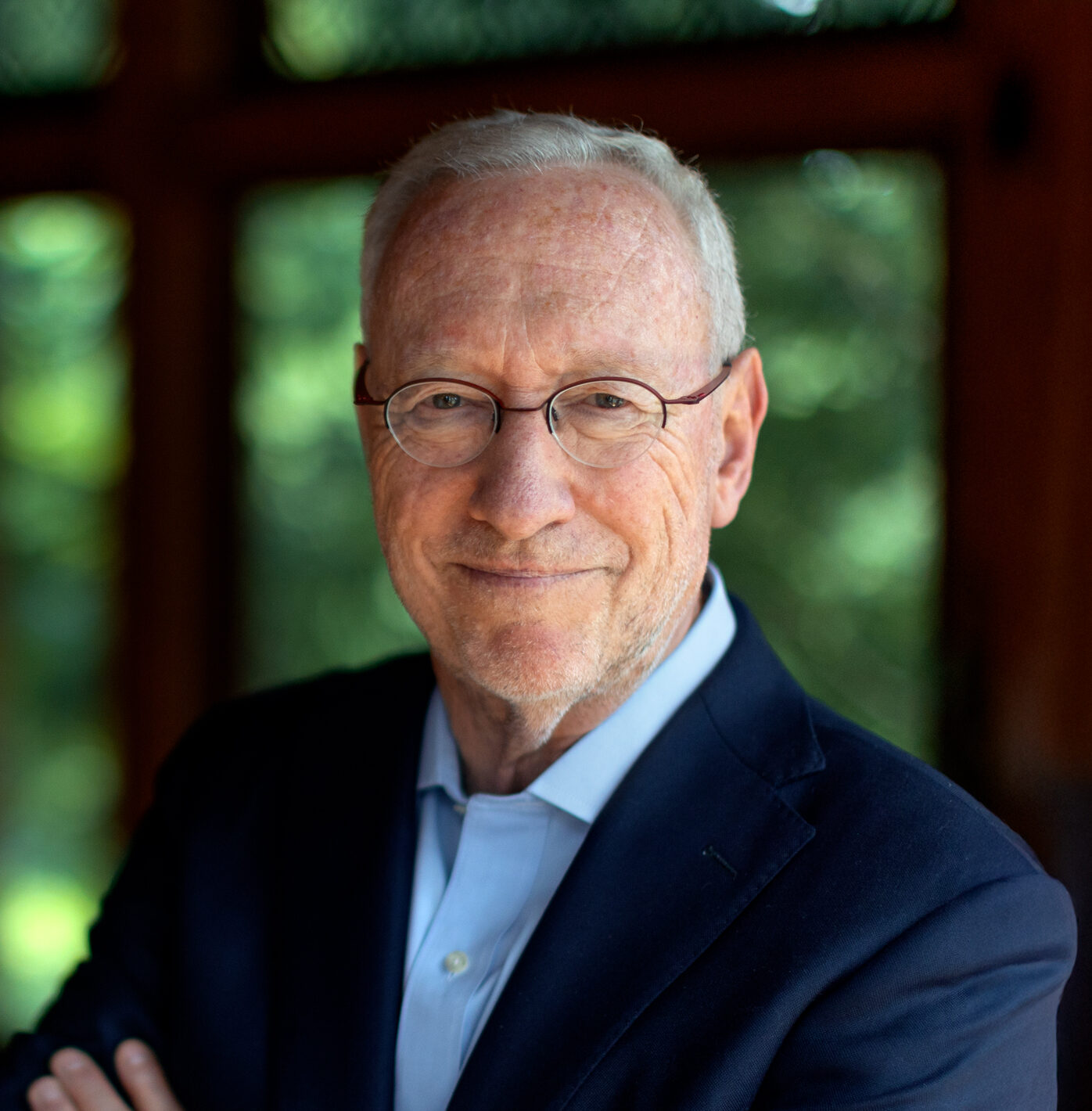
Mike Kotlikoff
President, Cornell University
Related articles:
Join the growing consoritum of campus leaders urgently committed to collectively restoring higher education’s role in democracy.
Mike Kotlikoff
President, Cornell University
Below is an overview of some campus activities:
- Cornell University’s curriculum includes structured opportunities for students to reflect on civic purpose, engage across differences, and connect academic learning with community needs. The “Pathways to Purpose: Civic Leadership in Law, Health, Tech, and Business” course invites students from across disciplines to explore how their academic experiences relate to civic leadership, democratic principles, and collaboration across difference, including practice in communication and dialogue skills.
- For every undergraduate, the “Community at Cornell” program, offered through the Center for Dialogue & Pluralism, provides facilitated small-group sessions that help students develop capacities for curiosity, shared understanding, and constructive communication with peers from diverse backgrounds.
- Across its many colleges and schools, undergraduate, graduate, and professional, Cornell also offers a rich portfolio of community-engaged learning courses, in which students work collaboratively with community partners, locally and globally, to address real problems, integrate reflection into their academic work, and deepen understanding of civic and public responsibilities.
- Each of our new faculty training programs (New Faculty Orientation; New Faculty Teaching Orientation) and our graduate teaching training programs (including our Graduate Teaching Fellow programs) now include specific and substantive attention to dialogue across difference and strategies for fostering and managing the expression of conflicting views in the classroom.
Highlights:
- As an Ivy League, land-grant university, Cornell brings a strong public-purpose orientation to this work, linking dialogue, pluralism, and civic learning to real-world challenges at local, state, national, and global levels. The university’s approach to civic preparedness is characterized by breadth, integration, and durability across disciplines, colleges, and schools. Civic learning and free-expression skills are embedded in required and elective coursework, co-curricular and extra-curricular activities, reaching students at multiple points in their academic journey.
- The David M. Einhorn Center for Community Engagement serves as the hub for community-engaged learning and public engagement at Cornell, supporting faculty and students in partnering with community organizations, embedding engagement into curriculum and co-curricular activities, and building skills for civic collaboration, reflection, and leadership. Cornell is committed to having every undergraduate to complete a high-quality community-engaged learning experience, though curricular or co-curricular activities, by the time they graduate.
- The Center for Dialogue & Pluralism fosters students’ capacities to communicate across differences, practice inclusive dialogue, and engage thoughtfully with perspectives other than their own. Through courses, workshops, and facilitated dialogues, the center strengthens competencies essential to civic discourse and collective problem-solving.
- The Center for Teaching Innovation equips instructors across Cornell’s colleges with research-based supports to integrate high-impact practices—including civic inquiry, dialogue facilitation, and community-engaged learning frameworks—into their teaching, thereby expanding opportunities for students to develop civic capacities within disciplinary coursework.