Activation Plan
Below is an overview of some campus activities:
- Douglass Day — Westfield State participates in the national Douglass Day observance honoring Frederick Douglass, traditionally held around his chosen birthday of February 14. Programming can include the national transcribe-a-thon, readings and discussion of Douglass and Black history, and opportunities for students to engage directly with primary historical documents. The program connects historical literacy with questions of citizenship, equality, freedom, and democratic participation.
- Constitution Day — Westfield State observes Constitution Day in September with educational programming focused on the U.S. Constitution, constitutional rights and responsibilities, and contemporary questions involving democracy and civic life. Faculty and students can engage in discussions examining how constitutional principles apply to current issues, including freedom of speech and expression.
- Dora D. Robinson Speaker Series — The University’s annual speaker series brings prominent voices to campus to address issues of leadership, equity, public service, and community engagement. The program provides students with opportunities to hear perspectives beyond the classroom and engage in discussion about issues affecting their communities and society.
- Model United Nations — Westfield State’s Model UN program gives students direct experience with diplomacy, negotiation, debate, and consensus-building. Students research international issues, represent the perspectives of another nation, and participate in the National Model United Nations conference, developing the ability to articulate positions, listen to competing viewpoints, and work toward solutions across differences.
- CURCA / Student Research and Creative Activity — Through the Center for Undergraduate Research and Creative Activity, students research and publicly present work on social, political, historical, scientific, and cultural questions. Presentations and discussions provide a campus forum for inquiry, evidence-based argument, intellectual exchange, and exposure to different ideas and perspectives.
Highlights:
- A new strategic plan centered on public impact: Westfield State’s Infinite Opportunities: 2026–2030 strategic plan, approved by the Massachusetts Board of Higher Education in April 2026, explicitly aligns the University’s priorities with the Commonwealth’s goals around the public good, economic mobility, innovation, and an engaged citizenry. One of its four major goals—Amplify Institutional Impact and Influence—calls for transformative partnerships and scholarship with practical community applications.
- Expanding college access through Early College: Through the Westfield Promise and expanding Early College partnerships with high schools in Westfield, Springfield, Holyoke, West Springfield, and the surrounding region, the University is bringing college-level learning to students who might otherwise face barriers to higher education. This work extends Westfield State’s historic commitment to educational access beyond the boundaries of its campus.
- Recognition for access, quality, and student experience: Westfield State has been named a College of Distinction for 2026–27, with additional recognition in the Public Colleges, Massachusetts, Business, Education, and Nursing categories. The University has also received recognition for affordability and value—an important dimension of its public mission.
- A regional anchor institution: Westfield State is increasingly positioning itself as a convener and partner in addressing the educational, workforce, health, economic, and social needs of western Massachusetts. This creates an opportunity to connect civic learning and civil discourse with real regional issues and to give students meaningful opportunities to engage with community organizations, public institutions, employers, schools, and other colleges and universities.
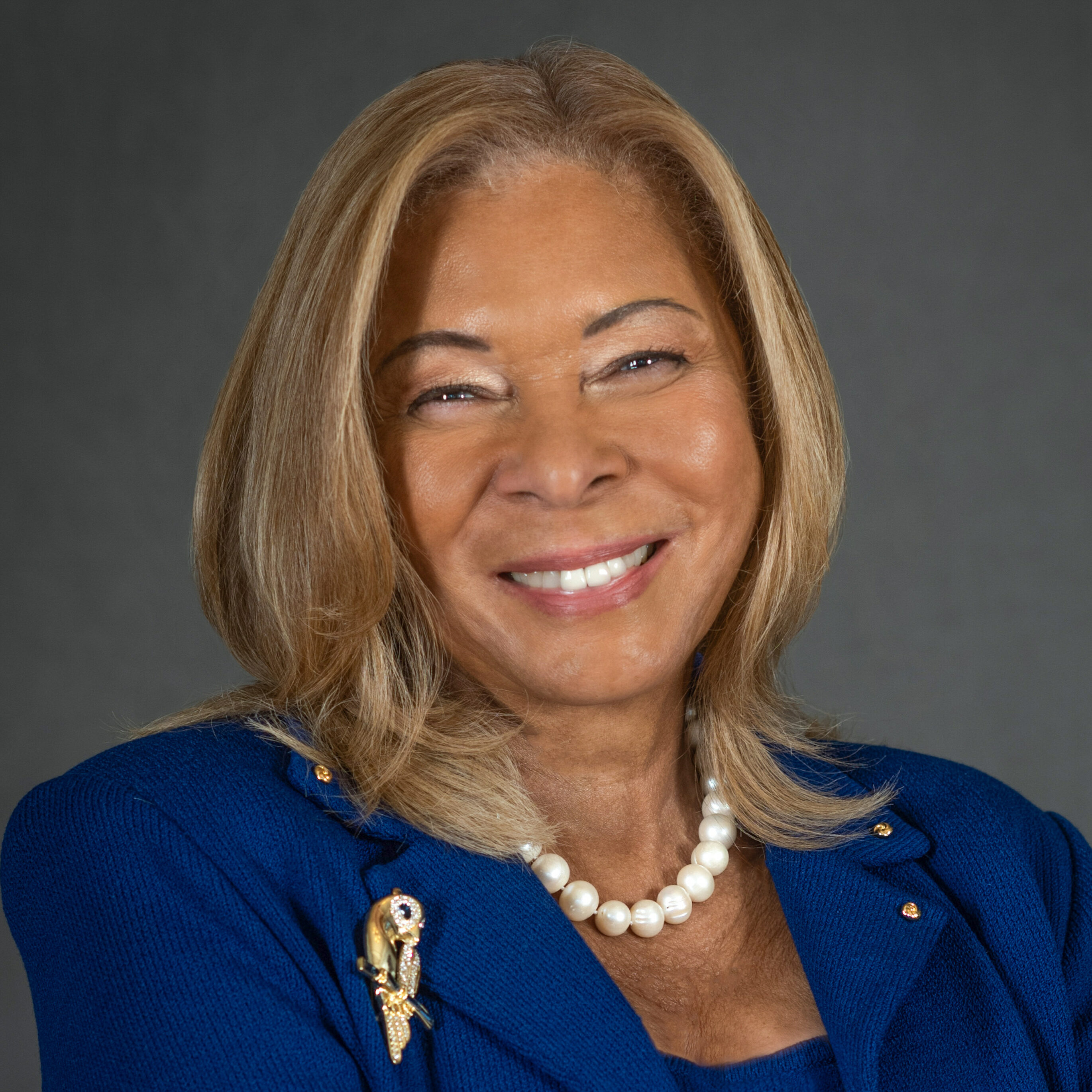
Linda Thompson
President, Westfield State University
Related articles:
Join the growing coalition of campus leaders urgently committed to collectively restoring higher education’s role in democracy.
Linda Thompson
President, Westfield State University
Below is an overview of some campus activities:
- Douglass Day — Westfield State participates in the national Douglass Day observance honoring Frederick Douglass, traditionally held around his chosen birthday of February 14. Programming can include the national transcribe-a-thon, readings and discussion of Douglass and Black history, and opportunities for students to engage directly with primary historical documents. The program connects historical literacy with questions of citizenship, equality, freedom, and democratic participation.
- Constitution Day — Westfield State observes Constitution Day in September with educational programming focused on the U.S. Constitution, constitutional rights and responsibilities, and contemporary questions involving democracy and civic life. Faculty and students can engage in discussions examining how constitutional principles apply to current issues, including freedom of speech and expression.
- Dora D. Robinson Speaker Series — The University’s annual speaker series brings prominent voices to campus to address issues of leadership, equity, public service, and community engagement. The program provides students with opportunities to hear perspectives beyond the classroom and engage in discussion about issues affecting their communities and society.
- Model United Nations — Westfield State’s Model UN program gives students direct experience with diplomacy, negotiation, debate, and consensus-building. Students research international issues, represent the perspectives of another nation, and participate in the National Model United Nations conference, developing the ability to articulate positions, listen to competing viewpoints, and work toward solutions across differences.
- CURCA / Student Research and Creative Activity — Through the Center for Undergraduate Research and Creative Activity, students research and publicly present work on social, political, historical, scientific, and cultural questions. Presentations and discussions provide a campus forum for inquiry, evidence-based argument, intellectual exchange, and exposure to different ideas and perspectives.
Highlights:
- A new strategic plan centered on public impact: Westfield State’s Infinite Opportunities: 2026–2030 strategic plan, approved by the Massachusetts Board of Higher Education in April 2026, explicitly aligns the University’s priorities with the Commonwealth’s goals around the public good, economic mobility, innovation, and an engaged citizenry. One of its four major goals—Amplify Institutional Impact and Influence—calls for transformative partnerships and scholarship with practical community applications.
- Expanding college access through Early College: Through the Westfield Promise and expanding Early College partnerships with high schools in Westfield, Springfield, Holyoke, West Springfield, and the surrounding region, the University is bringing college-level learning to students who might otherwise face barriers to higher education. This work extends Westfield State’s historic commitment to educational access beyond the boundaries of its campus.
- Recognition for access, quality, and student experience: Westfield State has been named a College of Distinction for 2026–27, with additional recognition in the Public Colleges, Massachusetts, Business, Education, and Nursing categories. The University has also received recognition for affordability and value—an important dimension of its public mission.
- A regional anchor institution: Westfield State is increasingly positioning itself as a convener and partner in addressing the educational, workforce, health, economic, and social needs of western Massachusetts. This creates an opportunity to connect civic learning and civil discourse with real regional issues and to give students meaningful opportunities to engage with community organizations, public institutions, employers, schools, and other colleges and universities.