campuswide immersion
December 22, 2025
America’s Conversation Crisis—And One Simple Skill That Can Fix It
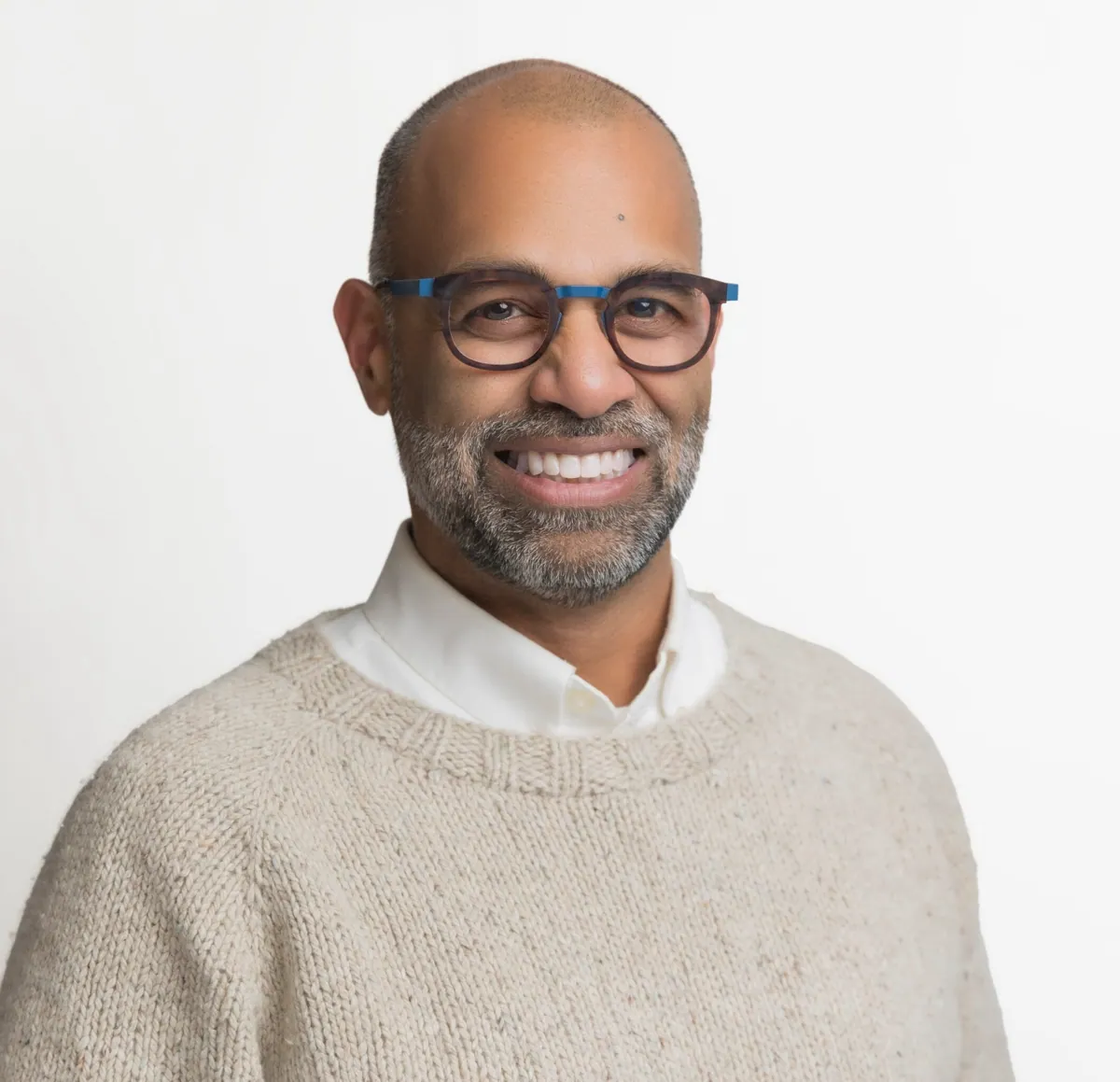
Rajiv Vinnakota
Institute for Citizens & Scholars
America has a simple problem hiding in plain sight: we’ve forgotten how to talk to one another about hot topics like immigration, healthcare, or education. You can see it everywhere—families navigating tense dinner-table moments, students clashing on campuses, and colleagues walking on eggshells at work. Disagreement isn’t the issue. The real crisis is that most of us never learned the basics of a productive conversation.
And that gap is showing. National surveys highlight how political polarization is eroding well-being and trust in major institutions continues to fall. We’re arguing more and understanding each other less, even though the habits that build better conversations are simple, teachable, and well within reach.
The Cost Of Our “Debate-Only Culture”
In my recent Forbes column, I argued that our debate-only culture is hurting our ability to solve big problems. We enter conversations ready to defend, persuade, or win, and not to understand.
That mindset has predictable consequences:
- Trust erodes, and people see those with opposing views as enemies.
- People retreat into like-minded groups, online and offline.
- Institutions get overwhelmed and less productive, even in the workplace.
This isn’t just a cultural frustration. It’s a barrier to national problem-solving.
This Is Personal
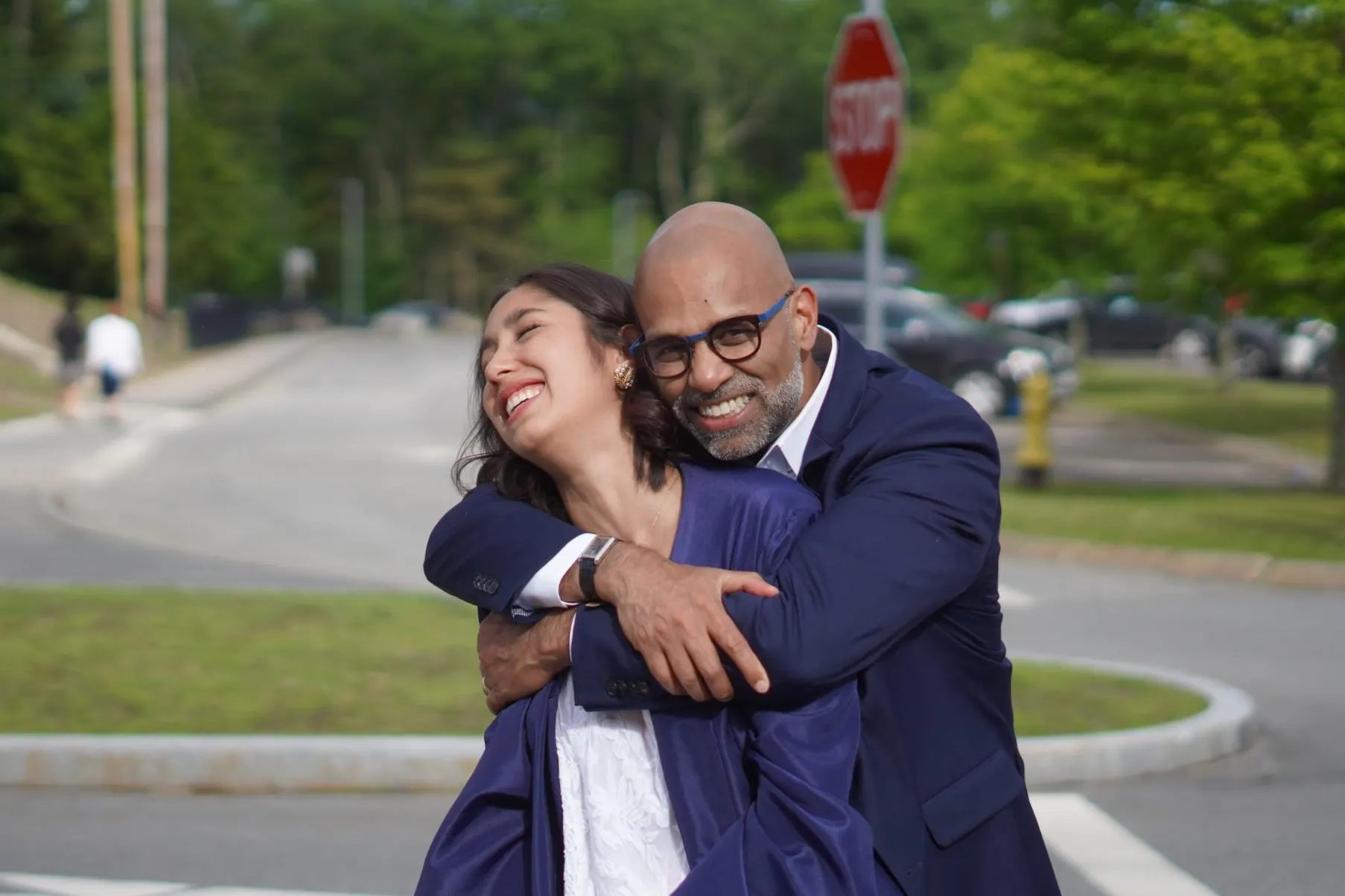
A few weeks ago, I found myself in a difficult conversation with my daughter about what it means to be patriotic in this moment. As an immigrant who came to this country in the late 1970s, I feel deep pride in America and gratitude for the opportunities it has given me and my extended family. My daughter sees things differently. Born here and shaped by two decades of constant war, economic uncertainty, cultural upheaval, and growing polarization, she feels less patriotic, and believes our nation has much to reckon with.
We weren’t trying to convince each other. Instead, we slowed down and focused on listening for understanding, asking curious questions, and speaking from our own experiences. We weren’t searching for answers, just for understanding. It took time, patience, and trust, and it reminded me that even between people who care deeply about one another, hard conversations don’t happen by accident. They require intention.
The Good News: Productive Conversation Is A Civic Skill
We often assume people who are good at difficult conversations were born that way. But that’s not true. Productive conversation is an essential civic skill—one that can be taught, practiced, and improved.
Young people are telling us they want these skills. In Gen Z Civic Vibe Check, just released by C&S, the organization I lead, we found:
77% of young people (14-22) are more likely to get involved through face-to-face conversations than through liking or sharing online.
That’s the opportunity. Young people want real dialogue. They just need more opportunities in classrooms, workplaces, and in their communities to practice these skills.
Three Simple Moves Anyone Can Learn
Here are three basics that change the tone of almost any hard conversation:
1. Listen Long Enough to Learn Something
Start with a pause. Then paraphrase what you heard, like:
“Here’s what I heard—did I get that right?”
Great listeners aren’t passive. They’re intentional.
2. Ask Curious Questions
Curious questions open the door to understanding, like:
“Can you say more about why this matters to you?”
These questions lower defensiveness and deepen connection.
3. Share Your View Through Your Experience
When it’s your turn, share your perspective through a personal lens, like:
“Here’s how I’ve experienced this…”
Stories humanize disagreements and invite reciprocity.
Then repeat: listen, paraphrase, ask, share. Remember: You don’t need to resolve the issue. In many cases, you won’t. That can feel uncomfortable in a winner-take-all culture, but resolution isn’t the point. Understanding is. And understanding is the foundation of trust.
Why These Basics Are A National Imperative
These small moves create big outcomes:
- Workplace teams perform better.
- College campus culture grows stronger.
- Communities rebuild trust.
- Democracies function better.
In an AI-driven decade, the most valuable human abilities like listening, reasoning, and building trust become even more essential.
What Higher Ed Is Showing The Country
Higher education can teach and measure these skills at scale—an effort that can strengthen the entire country. Our latest national findings from the College Presidents for Civic Preparedness coalition show encouraging momentum:
- 93% of coalition campuses report stable or improving climates for civil discourse.
- Coalition campuses that invested more in civic preparedness saw the biggest gains—62% report more positive climates.
- Presidents in our coalition overwhelmingly say the national political environment shapes student outlooks more than any other factor (90%).
In a divided moment, colleges are demonstrating what’s possible when we take these skills seriously.
An Invitation
Your next difficult conversation—at home, at work, or in your community—doesn’t have to be a debate. Try one of the three moves. Notice what shifts.
If more Americans practiced these basics, we’d argue less, understand more, and strengthen our country in the process.
Because our challenge isn’t disagreement. It’s how we’re having the discussion.